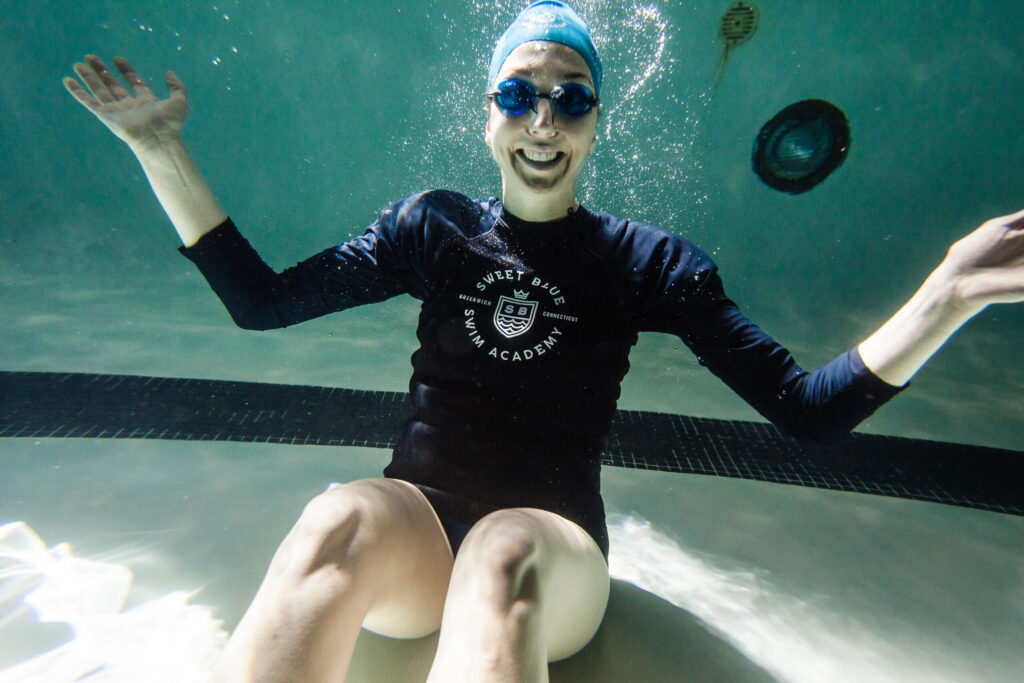
As we thaw out from winter and start dreaming of warmer days, pools, lakes, and beaches are right around the corner. Before you head out for Spring Break, keep these 10 water safety essentials in mind to protect your kids in and around water, provided to you by Cristina Teuscher of Sweet Blue Swim Academy.
1. Check the Barriers
When you arrive at your destination, immediately identify how kids could access water. Ideally, there should be at least two layers of protection — locked doors, alarms, self-latching pool gates, keycard access, etc. Barriers save lives.
2. Set clear family water rules
Before anyone gets near water, review your rules:
We only go near or in water with Mom or Dad.
Once we’re out, we don’t get back in unless Mom or Dad are in.
Always ask permission before entering — even for jumping in.
Use a cue like, “1-2-3, go!” to signal permission.
And remember: rules only work if they have consequences. If a rule is broken, leave the water — even for 20 minutes. That reset could be life-saving.
3. Watch transitions carefully
The most dangerous moments are often the in-between ones.
While you’re setting up chairs, grabbing towels, paying for snacks, or saying hello to friends — your child is heading for the water. Hold hands. Stay close. Assume they’ll move fast (because they will).
4. Assign a Water Watcher
Designate one adult whose only job is watching the water — no phones, no chatting, no distractions. Stay within arm’s reach of young swimmers.
Never rely on older siblings to watch younger swimmers and never assume a lifeguard is enough.
And remember: drowning is silent. No splashing. No yelling.
5. Respect natural water
Lakes and oceans are unpredictable. Learn about rip currents and sudden drop-offs. Swim only in lifeguarded areas — even when you’re watching closely.
6. Be selective with toys
Bring only what you need — and pack it up when you leave. Many drownings occur when a child returns alone to retrieve a forgotten toy.
7. Empty small water containers
Buckets, kiddie pools, coolers, bathtubs — empty them immediately after use. Kids can drown in as little as two inches of water.
8. Skip the floaties
The American Academy of Pediatrics (AAP) advises that inflatable “floaties,” water wings, and other swim toys are not safe. These items can deflate, slip off, and provide a false sense of security, increasing drowning risks.
9. Wear proper life jackets when boating
If you’re on a boat, everyone — especially kids — should wear a Coast Guard–certified life jacket at all times
10. If a child is missing, check the water first
Every second matters. Look in the water immediately.
Cristina Teuscher is an Olympic Gold and Bronze Medalist in Swimming. She is co-owner of Sweet Blue Swim Academy sweetblueswim.com with her husband, Amerigo. Sweet Blue is a premier swim school based in Stamford and one of the largest independent swim schools in the country focused on drowning prevention and unparalleled stroke technique. Recently, Cristina and Amerigo founded the Sweet Blue Foundation offering swim lessons to those who cannot afford them, with the belief that our entire community benefits when all members of that community can swim. Sweetbluefoundation.org